Commercial Bakeware Procurement
Commercial Bakeware MOQ and Tooling Costs: A Buyer’s Quote Comparison Guide
Compare MOQ, tooling, samples, accepted quantity, packaging and delivery terms on the same commercial bakeware quote basis.
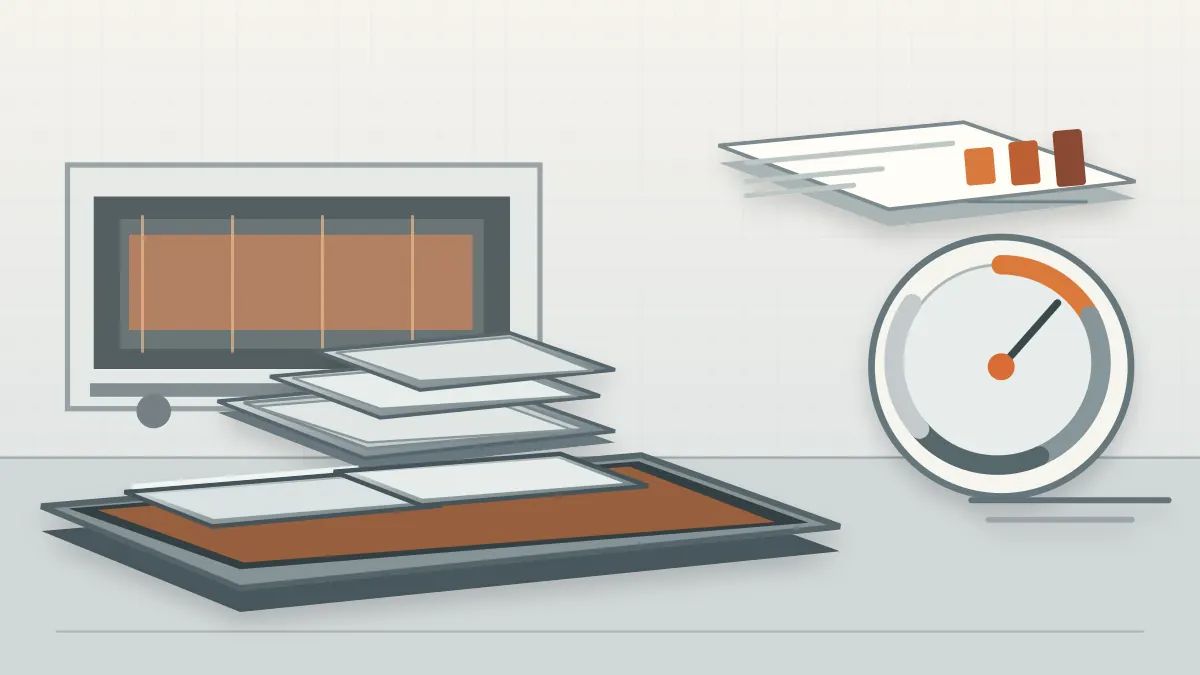
Normalize the technical scope before comparing price
Start with the same controlled drawing, material, finished thickness, construction, coating, inspection plan, packaging and destination market for every bidder. A low unit price is not comparable when one quote omits coating, export packing, testing, or required records.
List assumptions and exclusions beside each line item. Ask suppliers to flag deviations, substitutions, tooling changes and unpriced requirements instead of silently treating them as included. This prevents a technical gap from appearing later as a change order or delivery delay.
Separate one-time costs from recurring costs
Request tooling, fixtures, setup, samples and any engineering charge as separate one-time items. Ask what each charge covers, whether it is refundable or creditable against production, how long the tooling is expected to remain usable, and what maintenance is included.
Keep recurring costs distinct: finished bakeware, protective materials, cartons, palletization, inspection, export documents and freight. Note currency, payment milestones, Incoterm and quote validity. Do not compare a factory-gate unit price directly with a delivered or duty-paid price.
Compare MOQ and quantity breaks against real demand
Ask for prices at practical order quantities, such as a pilot order, the expected first commercial release and a replenishment quantity. Request the MOQ for each SKU and for shared tooling, coating color, carton artwork or other setup that may create a separate minimum.
A lower unit price at a large break can increase cash tied up in inventory, warehouse space, damage exposure and obsolescence if demand changes. Compare the total cash commitment and usable stock at each tier. For distributor programs, check whether several destinations or buyers can be consolidated without weakening lot traceability or packing control.
Make sample and approval costs visible
Identify sample quantity, construction, coating, shipping, inspection records and whether the sample is production-intent. Confirm who pays courier charges and whether sample fees are credited after order placement.
State the approval gate that releases mass production: signed drawing, sample approval, line-fit trial, document review or another defined record. If tooling work or material procurement can start earlier, show that commitment and its cancellation consequences separately. Link approval to the first-article inspection guide when production-intent evidence is required.
Check yield, inspection and rework assumptions
Ask whether quoted quantity means good finished pieces, gross production quantity or shipment quantity. Clarify how rejects, rework, replacements and short shipment are handled, and what inspection method and sampling basis apply.
If a supplier proposes an alternative material, thickness, forming route or coating, compare it as a separately identified option against the approved requirement. Keep price savings distinct from changes to fit, service conditions, food-contact evidence or appearance. The quality inspection plan can help buyers define common acceptance inputs.
Build a landed-cost view without false precision
For each order tier, calculate the total commercial commitment: recurring product cost plus allocated tooling and sample charges, packaging, freight, insurance, duties, brokerage and destination handling where applicable. Use buyer-provided logistics and tariff inputs; do not assume a universal freight rate or duty percentage.
Show both total order cash and a normalized cost per accepted, delivered piece. State the denominator, quantity, destination, Incoterm, currency and excluded charges. If tooling is reusable across future releases, show its allocation as a planning scenario rather than presenting it as a guaranteed saving.
Confirm capacity, lead time and delivery basis
Ask when lead time starts: drawing freeze, sample approval, deposit, material availability or another event. Separate tooling completion, sample approval, production, inspection and transit where they affect the requested arrival date.
Check whether the promised shipment schedule covers the quoted quantity and packaging configuration, and whether split shipments are allowed. Ask what evidence supports the commitment and what notice the supplier gives if a critical material or process changes. Verify supplier controls with the commercial bakeware supplier checklist.
Use a written comparison sheet and release conditions
Record supplier, quote revision, currency, validity, SKU, drawing revision, material and finish, annual estimate, order tier, MOQ, tooling owner, sample terms, inspection basis, packaging, Incoterm, delivery window and exclusions. Assign an owner to resolve every open point before award.
Put the agreed scope into the purchase order and retain the approved quote, drawing, sample record, tooling terms and packing specification together. For private-label projects, confirm the approved artwork and ownership terms through the OEM and private-label bakeware program.
Commercial Bakeware Quote Comparison Checklist
| Quote area | Buyer should define | Record or compare |
|---|---|---|
| Technical scope | Drawing, material, thickness, finish, quality and packaging | Revision and deviations |
| Order tiers | MOQ by SKU and shared setup, realistic release quantities | Total cash and usable stock |
| One-time charges | Tooling, fixtures, samples, engineering and credit terms | Ownership and lifecycle terms |
| Accepted quantity | Good-piece basis, inspection, rework and short shipment | Acceptance record and remedy |
| Delivery basis | Lead-time trigger, Incoterm, destination and transit | Schedule and exclusions |
| Landed cost | Packing, freight, insurance, duties and destination handling | Inputs, denominator and scenario |
Frequently Asked Questions
What is the MOQ for commercial bakeware?
There is no universal MOQ. It depends on the product, material and coating setup, tooling, order configuration and supplier terms. Request the MOQ by SKU and by any shared setup.
Should tooling be included in the unit price?
Ask for tooling as a separate one-time line item and also request a clearly labeled amortized scenario if useful. Confirm ownership, maintenance, storage, transfer and end-of-use terms in writing.
How can buyers compare quotes from different suppliers?
Give each supplier the same drawing, quantity tiers, quality plan, packing scope, destination and delivery basis. Separate assumptions, exclusions and one-time charges from recurring product price.
Does a higher order quantity always reduce total cost?
Not necessarily. A lower unit price can require more inventory cash, warehouse capacity and demand certainty. Compare total order commitment and cost per accepted delivered piece at realistic release quantities.
When does the production lead time begin?
The quote should name the trigger, such as deposit, drawing freeze, approved sample or material release, and show the stages that affect the delivery date.
What should a bakeware tooling agreement cover?
Define the tooling identity and scope, ownership, payment, maintenance, storage, permitted use, access or transfer, and what happens when the program ends. Confirm terms in the signed commercial documents.
Instant Quote
Compare bakeware quotes on the same scope.
Send the controlled drawing, material and coating requirements, realistic quantity tiers, inspection and packaging scope, destination and target delivery window. Bakeware China can review the assumptions needed for a comparable commercial quotation.
For cross-supplier comparison, use the commercial bakeware landed-cost guide to normalize freight, duty, quality and inventory assumptions.